
Tips for Choosing a Comfortable Desk Chair for Your Workspace
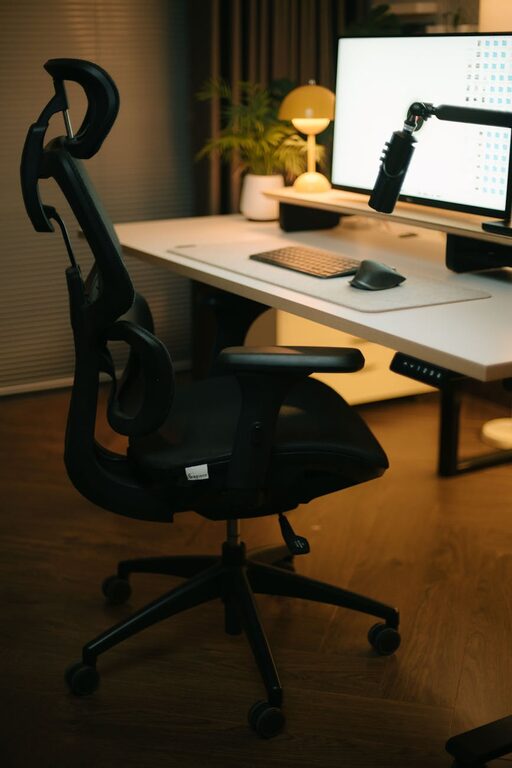
Creating a comfortable and productive workspace begins with one essential piece of furniture: the desk chair. Whether you work from home, spend long hours studying, or simply want a supportive place to sit, choosing the right desk chair can make a significant difference in your comfort and overall health. In this guide, we’ll walk you through practical tips to help you find a desk chair that offers comfort, support, and functionality tailored to your needs.
Why Choosing the Right Desk Chair Matters
Many people underestimate the impact a good chair can have on their daily routine. An uncomfortable or poorly designed chair can lead to back pain, neck strain, and reduced focus. On the other hand, a chair designed with ergonomic principles improves posture, reduces fatigue, and helps maintain concentration for longer periods.
Key Factors to Consider When Choosing a Desk Chair
Choosing a desk chair involves more than just picking the one that looks nice. Here’s what to keep in mind:
1. Ergonomic Support
Ergonomics is the science of designing furniture for human comfort and efficiency. A chair with ergonomic features helps maintain proper alignment of your spine and reduces stress on your joints.
Look for these elements:
– Lumbar Support: A curved backrest that supports the lower spine.
– Adjustable Armrests: Helps reduce shoulder tension.
– Seat Depth and Height Adjustability: To fit your body size and desk height.
– Tilt and Recline Function: Allows you to change your sitting angle comfortably.
2. Seat Comfort and Padding
The seat should be comfortable enough to sit on for hours without feeling sore. Consider:
– Padding: Choose a chair with high-density foam or memory foam padding.
– Breathable Material: Mesh chairs allow airflow, keeping you cool.
– Seat Shape: A waterfall edge reduces pressure on the backs of your legs.
3. Size and Dimensions
Not all chairs suit every body type or workspace. Before buying:
– Measure your workspace to ensure the chair fits comfortably.
– Consider your height and weight; some chairs come specifically designed for petite or plus-size users.
– Check seat width and depth for comfort.
4. Mobility and Stability
If your workspace requires movement:
– Casters/Wheels: Choose wheels suitable for your flooring type (hardwood or carpet).
– Swivel: A swivel chair allows easy rotation without straining.
– Base: A five-point base offers better stability.
5. Style and Aesthetics
While comfort is key, the look of your chair also matters. Select a chair that complements your decor and motivates you to maintain a neat and inviting workspace.
Additional Tips for Chair Selection
Test Before You Buy
Whenever possible, try sitting in the chair to assess comfort and adjustability. Pay attention to:
– How well the lumbar support fits your back.
– If the seat height allows your feet to rest flat on the floor.
– Whether armrests allow your shoulders to relax.
Don’t Skip Adjustability
A fully adjustable chair can adapt as your needs change. Features to look for include:
– Seat height adjustment
– Backrest height and tilt
– Armrest height and width adjustment
– Seat depth adjustment
Budget Wisely
High-quality chairs come at various price points. Set a budget but consider investing in a chair that will support your health and productivity in the long run. Basic models may lack crucial ergonomic features.
Read Reviews and Seek Recommendations
Hear from other users about comfort, durability, and customer service. Trusted brands often have better warranties and replacement options.
Caring for Your Desk Chair
To extend your chair’s lifespan and comfort:
– Clean fabric and mesh regularly to prevent dust buildup.
– Check screws and joints periodically to maintain stability.
– Lubricate moving parts if needed.
Conclusion
Choosing the right desk chair is an investment in your comfort and well-being. By focusing on ergonomic support, adjustability, and quality materials, you can find a chair that helps you maintain good posture and stay comfortable during long work sessions. Remember to try different chairs, set a realistic budget, and prioritize what matters most to you. With these tips, you’re on your way to creating a workspace that supports both your body and productivity.
Happy chair hunting!