
How to Create a Relaxing Home Workspace for Better Focus
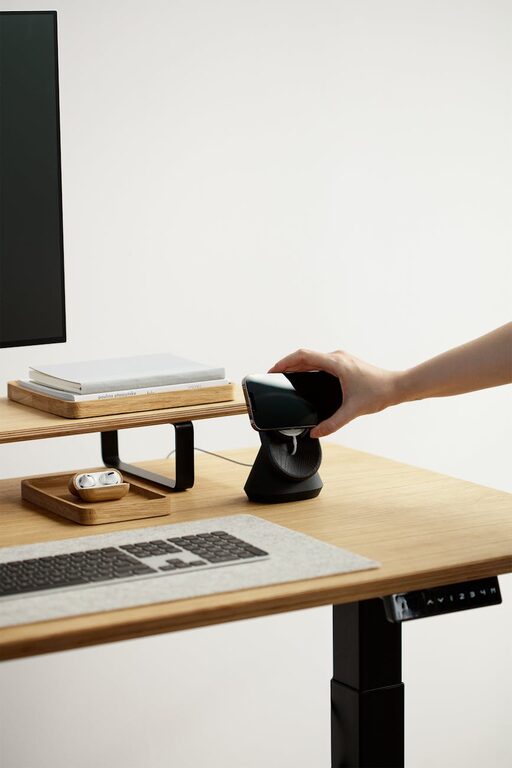
Creating a relaxing home workspace is essential in today’s world, where many of us spend hours working from home. A space designed with comfort and calm in mind can help reduce stress, improve focus, and make work more enjoyable. Whether you have a dedicated room or just a small corner, you can transform it into a peaceful haven. This guide will walk you through practical steps to create a relaxing home workspace that supports your best work.
Why a Relaxing Workspace Matters
Your environment has a big impact on your mood and productivity. A cluttered or uncomfortable workspace can increase stress and make it harder to concentrate. Conversely, a clean, inviting area helps you stay calm and focused. When your workspace feels relaxing, you’ll be more motivated and less likely to feel burnout.
Choose the Right Location
Pick a Quiet Spot
Start by finding a space with minimal distractions. Ideally, this is somewhere away from household noise and traffic. It could be a spare room, a nook in your bedroom, or even a corner of your living room.
Consider Natural Light
Natural light can boost your mood and energy. Place your desk near a window if possible. If natural light is limited, invest in good-quality lighting that mimics daylight to keep your space bright and cheerful.
Keep It Organized
Declutter Regularly
A cluttered desk can lead to a cluttered mind. Keep only the essentials on your desk and store other items in drawers or shelves. Schedule regular tidying sessions, even if it’s just five minutes a day.
Use Storage Solutions
Bins, trays, and organizers help keep papers, stationery, and gadgets neatly arranged. Label storage containers if needed, to find things easily and maintain order.
Choose Comfortable and Supportive Furniture
Invest in a Good Chair
A comfortable chair with good back support is vital. It helps prevent aches and keeps you sitting with good posture, which is important for long work sessions.
Select the Right Desk
Your desk should be the right height for you to work comfortably. Adjustable desks that allow sitting and standing options are a bonus for movement throughout the day.
Add Calming Elements
Use Soothing Colors
Choose colors like soft blues, greens, or neutrals for your workspace walls or decor. These shades are known to create a calming effect.
Bring in Nature
Plants not only improve air quality but also add a sense of tranquility. Choose low-maintenance plants like succulents or snake plants.
Incorporate Personal Touches
Add items that make you happy but don’t distract you, such as a small photo, a favorite mug, or an inspiring quote.
Manage Noise and Distractions
Use Noise-Cancelling Headphones
If background noise is a challenge, noise-cancelling headphones can help you focus better.
Play Relaxing Background Music
Soft instrumental music or nature sounds can create a peaceful atmosphere and improve concentration.
Optimize Technology for Comfort
Arrange Your Screen Properly
Position your monitor at eye level to prevent neck strain. Use screen risers if necessary.
Keep Cables Neat
Use cable organizers or clips to keep wires tidy and avoid a messy look.
Take Care of Your Well-being
Maintain Good Air Quality
Open windows for fresh air when possible. Consider a small air purifier if needed.
Stay Hydrated and Take Breaks
Keep a water bottle nearby and remember to take short breaks to stretch or walk, which helps maintain energy and reduce fatigue.
—
Creating a relaxing home workspace is an investment in your well-being and productivity. By choosing the right location, organizing your space, incorporating comfortable furniture, and adding calming elements, you can build an environment that supports both your work and your peace of mind. Try these tips and notice how a relaxing workspace can make your workdays more enjoyable and effective.