
How to Store Seasonal Clothes Efficiently: Tips and Tricks
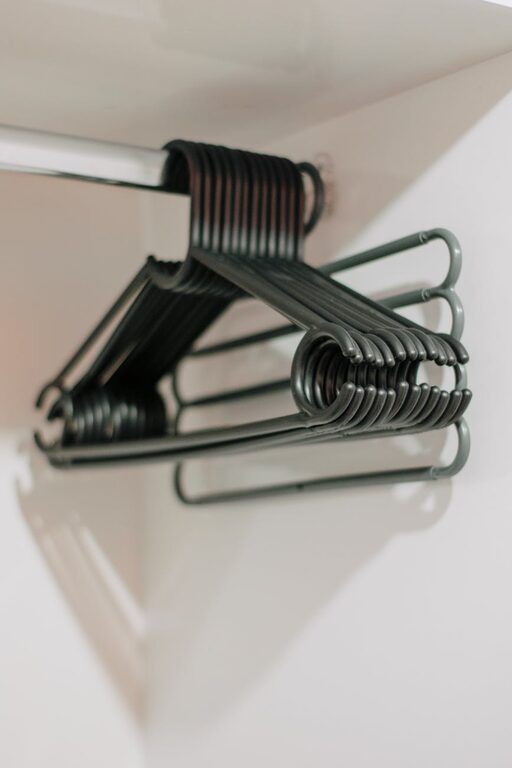
Storing seasonal clothes can be a challenge, especially when space is limited. Whether you live in an apartment or a spacious home, organizing your wardrobe for changing seasons helps keep your clothes in good condition and your living space clutter-free. In this post, we’ll walk you through efficient methods for storing your seasonal garments while maximizing space and keeping everything fresh and ready to wear.
Why Proper Seasonal Clothes Storage Matters
Switching out your wardrobe each season isn’t just about convenience—it also helps protect your clothes from damage. Storing items properly prevents issues like fading, mildew, wrinkles, and insect damage. It also creates more room in your closet and makes it easier to find what you need. With a little planning, you can ensure your clothes stay in top shape and your home stays tidy throughout the year.
Steps to Prepare Your Clothes for Storage
Before storing your seasonal clothes, it’s important to prepare them properly. Follow these steps to make sure your garments are clean and protected.
1. Clean Everything Thoroughly
Always wash or dry clean clothes before storing them. Dirt, oils, and stains can attract moths and cause fabric deterioration over time. Clean clothes also smell fresher when you bring them back out.
2. Repair Minor Damage
Check for missing buttons, loose threads, or small holes. Repair these issues before storing, so you won’t discover a problem when it’s time to wear your clothes again.
3. Dry Completely
Make sure your clothes are completely dry before storing. Moisture can cause mildew and odors. Avoid packing damp clothing to keep your wardrobe fresh.
Choosing the Right Storage Solutions
The containers and spaces you use for storage can significantly affect how well your clothes are preserved. Here’s a look at some popular options.
Closet Storage
If you have enough closet space, consider using garment bags, clear plastic bins, or vacuum-sealed bags. These protect clothes from dust and pests.
– Garment bags: Ideal for delicate fabrics like dresses and suits.
– Plastic bins: Use airtight bins to keep moisture out.
– Vacuum bags: Great for bulky items like coats and blankets, they save considerable space.
Under-bed Storage
Utilize the space under your bed with low-profile storage boxes or bags. This keeps seasonal items out of sight but easily accessible.
Shelves and Drawers
Folded sweaters, jeans, and other durable items can be neatly stacked on shelves or inside drawers with dividers. Use labels to stay organized.
Tips for Maximizing Space and Maintaining Clothing Quality
Applying a few smart techniques can boost your storage efficiency and help keep clothes looking their best.
Use Proper Folding Techniques
Avoid unnecessary wrinkles by folding sweaters and knitwear loosely to prevent stretching. Rolling T-shirts and casual wear can save space and reduce creases.
Utilize Vacuum-Sealed Bags Wisely
Vacuum bags are a space-saver but take care using them with delicate or natural fibers like wool or silk, as compressing can damage the fabric’s structure over time.
Keep Moth Repellents Handy
Protect your clothes with natural repellents such as cedar blocks or lavender sachets. Avoid harsh chemical mothballs if possible.
Label Everything Clearly
Label boxes and bags with their contents for quick and easy identification later. This saves time when the season changes.
Seasonal Rotation: An Organized Approach
Create a habit of rotating your wardrobe seasonally by storing off-season clothes immediately after use. This keeps your daily closet clutter-free and reduces clothes worn out from overcrowding.
Inventory Your Clothes
Keep a list of what you have stored to avoid buying duplicates and ensure nothing gets forgotten for long periods.
Plan a Dedicated Storage Day
Set aside time each season to clean, organize, and switch wardrobes. This makes the process feel less overwhelming.
Maintaining Your Stored Clothes
Even after putting clothes away, some upkeep is needed.
– Air them out occasionally: Take clothes out of storage to air for a few hours to avoid musty smells.
– Check for signs of pests: Inspect storage areas monthly for any evidence of insect activity.
– Replace natural repellents seasonally: Refresh cedar blocks or sachets for continued protection.
Final Thoughts
Efficiently storing your seasonal clothes not only saves space but also extends the life of your garments. With a little preparation and the right storage choices, switching wardrobes each season can become a simple, stress-free routine. By keeping your clothes clean, organized, and protected, you’ll enjoy a tidy home and a fresh wardrobe every season.
We hope these tips help you create a more organized and functional living space. Happy organizing!