
Smart and Simple Ideas for Making Dinner Cleanup Easier
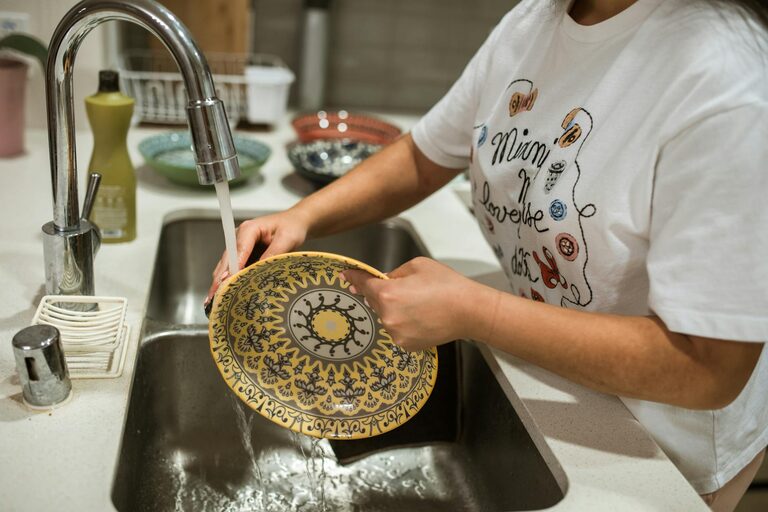
Preparing and enjoying dinner is often the highlight of the day, but the cleanup afterward can be a daunting task. Whether you’re cooking for one or feeding the whole family, tidying up after dinner doesn’t have to take up your entire evening. With a little planning and some smart habits, you can make dinner cleanup faster, easier, and even a bit more enjoyable.
Here are some practical ideas to help simplify your post-dinner routine and reduce the mess in your kitchen.
1. Clean As You Go
One of the best ways to avoid an overwhelming pile of dishes at the end of the meal is to clean as you go.
How to Practice “Clean As You Go”
– Wash utensils and bowls immediately after use. While waiting for water to boil or food to cook, quickly rinse mixing bowls, measuring cups, and utensils.
– Wipe spills and splatters right away. Keeping the counters clean while you cook prevents buildup and makes it easier to maintain a tidy kitchen.
– Load the dishwasher throughout meal prep. Instead of letting dirty dishes pile up in the sink, load what you can into the dishwasher as you cook.
This approach spreads out the cleanup, making the final tidy-up feel less daunting.
2. Use One-Pot or One-Pan Recipes
Reducing the number of pots, pans, and dishes used during cooking can greatly simplify cleanup.
Benefits of One-Pot Meals
– They minimize the cookware you have to wash.
– Cooking often requires fewer utensils.
– They often combine cooking tasks, like sautéing and simmering, reducing steps.
Popular one-pot recipes include pasta dishes, stews, and stir-fries.
3. Utilize Kitchen Tools That Simplify Cleanup
Having the right kitchen gadgets can make a big difference in cleanup time.
Helpful Tools Include:
– Nonstick cookware: Food releases easily, and cleaning is quicker.
– Silicone baking mats: These reduce the need for oil or foil on baking sheets and can be washed easily.
– Dish racks with extra compartments: For quicker drying and organization of utensils.
– Garbage bowls or compost bins: Keep scraps contained to speed up clearing the table and prepping the sink for washing.
Investing in these tools can save time and frustration.
4. Designate a Post-Dinner Cleanup Routine
Creating a set routine can turn cleanup into a shorter, more organized process.
Steps for an Efficient Routine
- **Clear the table promptly.** Remove plates and leftover food immediately after eating.
- **Scrape and rinse dishes.** Scrape food scraps into the trash or compost and do a quick rinse.
- **Load dishes into the dishwasher.** If you don’t have a dishwasher, designate a soaking area for pots and pans to loosen food before washing.
- **Wipe down counters and stove.** Keeping surfaces clean prevents buildup.
- **Sweep or vacuum the kitchen floor.** A quick floor clean helps capture crumbs or spills before they cause stains.
Establishing this routine makes cleanup less of a chore and more of a habit.
5. Involve Family Members or Housemates
Cleanup doesn’t have to be a solo effort. Sharing responsibilities can cut down the time it takes and foster teamwork.
Ideas for Sharing Cleanup Duties
– Assign specific tasks like clearing the table, washing dishes, or wiping surfaces.
– Rotate duties daily or weekly to keep it fair.
– Turn cleanup into a fun activity by playing music or setting a timer to create a quick challenge.
Getting everyone involved lightens the workload and can make cleanup more enjoyable.
6. Prep and Serve Smartly
How you prep and serve meals can also impact how much cleanup is needed.
Tips to Minimize Mess
– Use serving platters and bowls that are easy to clean. Avoid ornate dishes that require extra care.
– Serve family-style. Instead of plating everyone individually in the kitchen, set bowls on the table to reduce extra plates.
– Pre-portion ingredients. This decreases the number of containers and tools used during cooking.
Thoughtful serving habits can leave fewer dishes to clean later.
7. Keep Cleaning Supplies Handy
Having the right cleaning supplies within easy reach encourages quick cleanup.
Essentials to Keep Nearby
– Dish soap and sponges or scrubbers.
– Cleaning cloths or paper towels.
– Multipurpose cleaning spray for surfaces.
Storing these items close to your sink or prep area saves time and makes it easier to clean up immediately.
8. Consider Using Disposable or Reusable Alternatives
In some situations, especially for busy nights or outdoor meals, disposable or reusable alternatives can simplify cleanup.
Examples
– Reusable silicone lids and mats: These reduce the need for plastic wrap or aluminum foil.
– Bamboo or compostable plates and utensils: Ideal for picnics or quick meals, and can be composted afterward.
– Cloth napkins: They reduce paper towel waste and can be tossed into the laundry immediately.
Use these options thoughtfully to balance convenience and environmental impact.
—
Final Thoughts
Dinner cleanup doesn’t have to be a dreaded task. By adopting simple habits like cleaning as you go, using efficient cookware, involving others, and maintaining an organized routine, you can significantly ease the process. Remember, the goal is to make your kitchen a welcoming space where cooking and sharing meals are joyful, not stressful.
Give some of these ideas a try, and you may find your cleanup time shrinking — leaving you more moments to relax and enjoy the evening after dinner.